
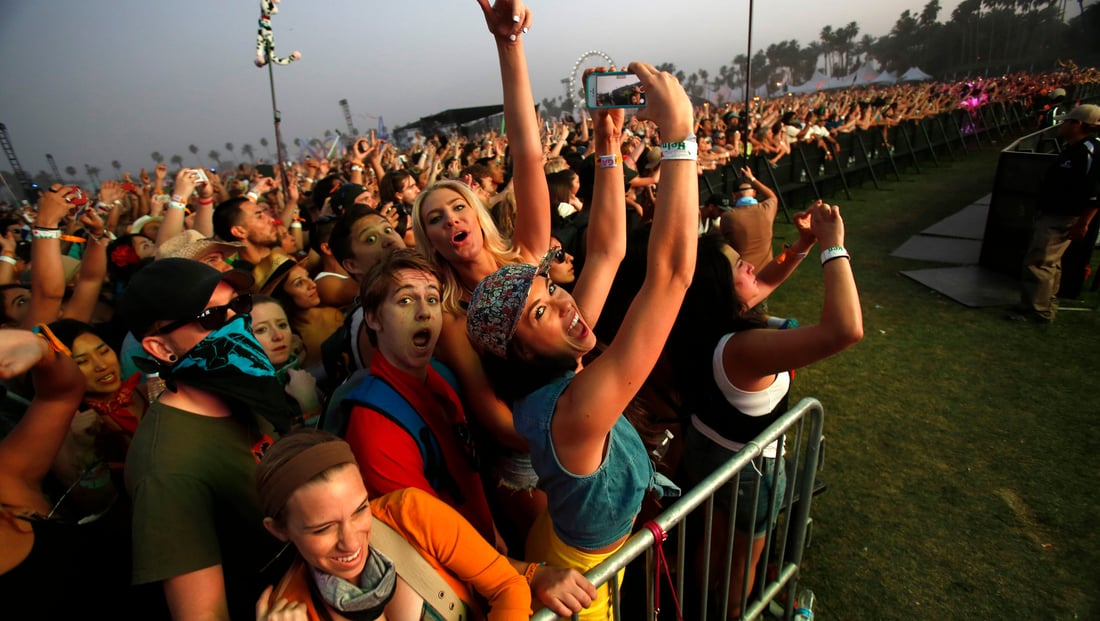
These days in South Africa, treating recordings as the main item while seeing shows as just advertising doesn't quite fit anymore. Even though hits in genres like amapiano, pop and gospel keep spreading overseas, how money moves through music has changed shape. Once streams made each song a slow drip of income controlled by big platforms, being onstage started standing out - where rare moments happen, crowds gather, prices rise without pushback. Because of this, people making music, those booking gigs and places hosting them now look at live acts differently - not some extra thing on the side, more like where what you're really worth finally shows up.

One reason lies in how digital tunes reshaped views on possession and chance. Much like forex trading treats money as something always shifting in value, streaming turned collections of songs into streams of cash flow instead of static album racks. Now a track gets judged by what it might earn down the line, packed into financial tools, passed to investor groups, transformed into securities, tracked for steady payouts. Big owners benefit here - older catalogs too - as do those chasing long-term gains. Yet at the same time, sound recordings drift further from that quiet exchange where someone simply pays because they love the music.
What is different for South African musicians isn't just how much streaming has grown, yet that surge doesn't mean steady paychecks like some assume. Nearly four hundred million rand flowed to local creators via Spotify last year - solid proof of rising interest worldwide. Music made here now reaches farther, especially amapiano, which stepped beyond borders instead of fading locally. Still, cash slips through many hands: platforms take cuts, labels claim shares, distributors skim, publishers track, societies collect, algorithms decide who gets heard. Big numbers look good on paper even when working artists find themselves chasing better paths to earn from their reach.
One reason live shows matter? They fix what streaming can't. Not everything scales forever. Tickets sell out fast - same with backstage passes, front row spots, special T-shirts, brand deals at events, late-night set times, even crowd energy peaking once. When songs flood phones nonstop, going to a show feels rare on purpose. A limited supply keeps profits alive. When tickets vanish in cities like Johannesburg, Cape Town, or Durban, income flows from entry fees, drinks travel needs, hotel stays, short videos made during events, yet also builds deeper ties between performer and audience - something streams struggle to match.
Lately, South Africa's event scene has lit up again after a quiet stretch. Big organizers keep flying global artists here, yet homegrown festivals, tour routes, and club networks matter just as much for rising musicians. Here's why it works: people hand over cash not just to hear tunes, but to be there, feel belonging, stand out, and lock moments into their minds. These things resist copying, shrug off discounts, and split neatly across ticket tiers. Music you stream, though? It hides in monthly packages where endless songs blur together like something already settled.
What made music subscriptions so key was how they changed money flows. When fans shifted from single purchases to paying each month, income grew predictable enough for spreadsheets. Big funds paid attention fast. Across continents, huge sums now chase old song collections since their payouts act like slow-burning investments. This shift adds size, sharper management, even smarter use of legal claims in some cases. Yet focus tilts toward tracks that offer clear numbers and growth curves instead of gritty work growing real crowds show by show.
Out here in South Africa, something quiet shifts when world attention meets homegrown talent. A win overseas doesn't just bring praise - it lifts prices at the door, pulls bigger stages, makes local crowds lean in closer. When shows multiply across a city, they stitch together more than schedules - they build paths where sound becomes travel meals deals struck over handshakes. Cape Town isn't merely booking acts; its weaving noise into its street plans, treating concerts like cornerstones instead of sidelines.
When life feels uneven, power flickers, money runs tight, people choose carefully where their cash goes. Streaming covers songs easily enough, so handing over extra for recordings seems unnecessary to many. Live shows offer something different - shared moments, real presence, feelings that sit right. Because of this, tickets keep selling even when budgets shrink. What sticks isn't just sound - it's being there together breathing the same air. Nowhere else does value pack itself so tightly as at a live show. Because unlike a digital copy sitting silent on a drive, something real happens when people gather. What unfolds onstage gains weight from the crowd's presence. When an artist rides high in public attention, tickets suddenly seem worth more. Moments like these shift how fans see price tags. The air changes. Even standing still feels part of the event.
Still, tunes captured on tape matter more than ever for creators. In fact, they do. These recordings form the backbone of being seen. They leave digital footprints. Spark new listeners finding your work. Serve as evidence you made something real. Back loans even. Yet concerts turn that attention into deep wallets opening wide. A track pulls you onto a stream list; a performance pulls bodies through doors. Where one bends toward algorithms and capital, the other holds to breath location chance, want.
So here's what shifted in South Africa - it isn't about choosing between streams and shows anymore. Instead, one feeds long-term value while the other sparks immediate connection. Music you can hold turns into something banks might back, bought and sold like tools. What happens on stage pulls people in real time, rare by nature. With tracks spreading wider across borders, this split could grow steeper - ownership gets simpler to package, yet presence stays priceless simply because it vanishes when it ends.


