
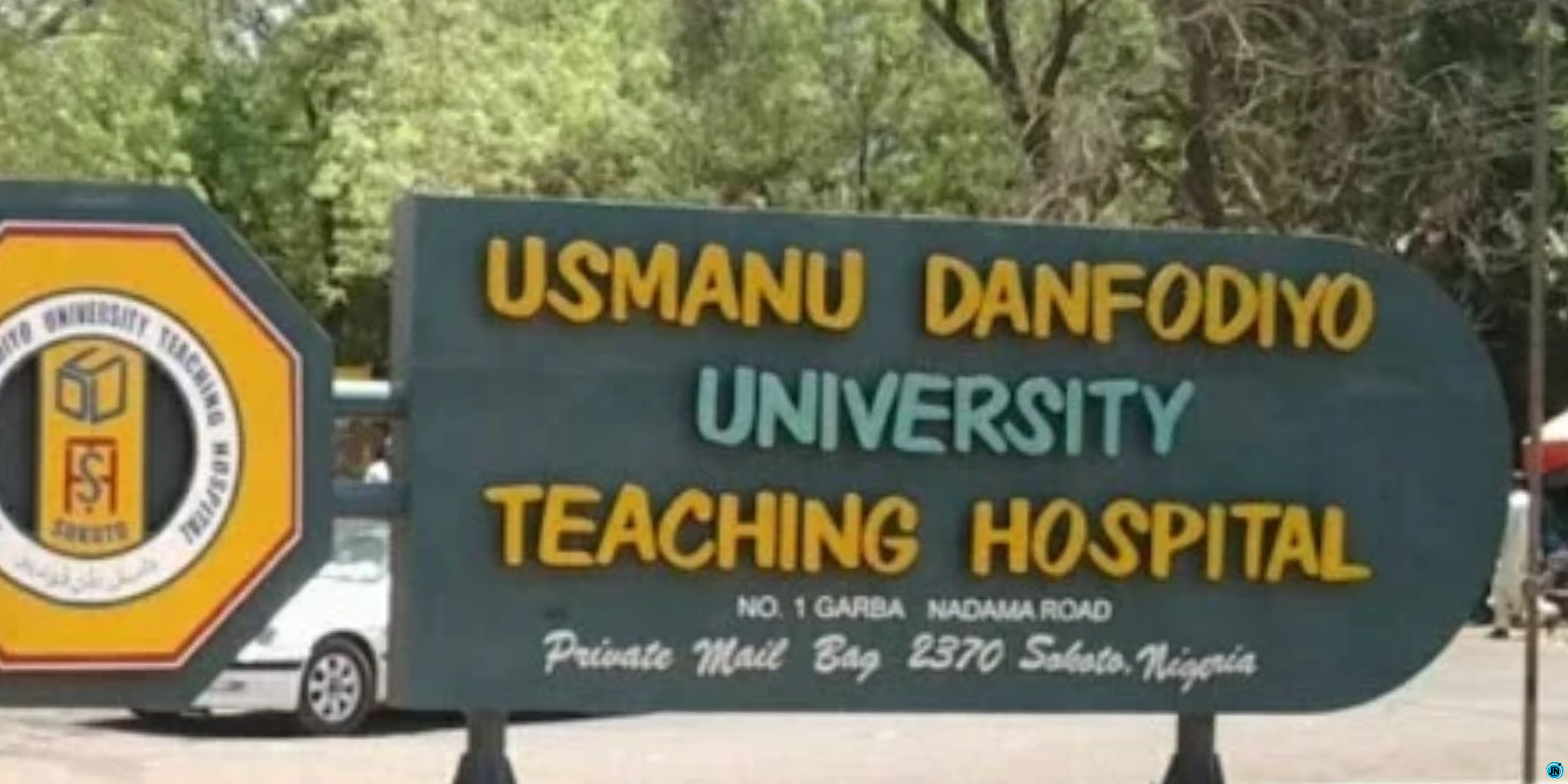
Resident doctors at the Usmanu Danfodiyo University Teaching Hospital (UDUTH), Sokoto, have officially announced their decision to join the nationwide indefinite strike scheduled to commence on Monday, January 12, 2026. The move forms part of a broader action coordinated by the Nigerian Association of Resident Doctors (NARD) in response to unresolved welfare, training, and financial issues affecting medical professionals in tertiary hospitals across the country.
The Sokoto chapter of the association explained that it is fully aligning with the national directive after a careful review of the Federal Government’s handling of previous agreements reached with the association. The decision reflects growing frustration among resident doctors regarding delays and failures in implementing key commitments, which have persisted despite repeated discussions and assurances from the government.
Resident doctors cite unpaid arrears, training delays
The announcement followed an extraordinary virtual meeting held by the association’s national leadership on January 2, during which officials assessed the status of promises made by the government through the Ministries of Health and Labour. The meeting reviewed the progress of previously agreed-upon welfare packages, salary arrears, training schedules, and professional development programs for resident doctors. The national leadership concluded that significant lapses remain, prompting the call for coordinated industrial action across all affected institutions.
In a briefing to journalists on Friday, the Association of Resident Doctors at UDUTH emphasized that the review revealed continued delays in the reinstatement of key benefits and allowances, incomplete implementation of the Professional Allowance Table, and failures in honoring salary and promotion arrears. The Sokoto chapter reiterated its commitment to the national directive, citing these issues as part of the broader context necessitating a total withdrawal of services if the government fails to act promptly.
Nationwide protest, service withdrawal to begin Monday
Among the specific grievances highlighted by the UDUTH resident doctors are the non-reinstatement of five resident doctors at the Federal Teaching Hospital, Lokoja, outstanding promotion and salary arrears, delays in Specialist Allowance payments, and confusion surrounding skipping and entry-level placement procedures. Additional concerns include delayed salaries for house officers, incomplete training certifications, deteriorating hospital infrastructure, obsolete medical equipment, unresolved CONMESS arrears, and the inactivity of the Special Pension Benefits Committee that affects long-term welfare planning for medical professionals.
“With the government failing to demonstrate concrete commitment, the council resolved to commence a total, comprehensive and indefinite withdrawal of services from 12:00 a.m. on Monday, January 12,” the communiqué from the UDUTH chapter stated. The national body has also instructed resident doctors across 91 tertiary institutions to participate in coordinated, peaceful protests alongside the strike, emphasizing that the industrial action is meant to be non-violent but firm in pressing for the resolution of outstanding issues.
Dr Mujitaba Umar, President of ARD at UDUTH, emphasized that the decision was not made lightly but became necessary due to the prolonged neglect of agreements and the repeated failure of authorities to implement prior commitments. He warned that continued disregard for doctors’ welfare is already negatively impacting patient care and the overall functionality of the health system, urging urgent intervention from the Federal Government.
Similarly, the chapter’s General Secretary, Dr Muhammad Abdulrahman Hassan, appealed to federal authorities to take immediate action to address the grievances of resident doctors. He stressed that resolving the issues promptly is critical to avoiding further disruption of healthcare services and ensuring that patients continue to receive quality care. Dr Hassan also highlighted that the strike, if unresolved, will affect major teaching hospitals across the country, potentially straining an already fragile healthcare system.
The ongoing dispute and impending strike have ignited nationwide discussions about the state of medical practice in Nigeria, the welfare of healthcare professionals, and the urgent need for systemic reforms to address long-standing challenges in the country’s healthcare sector. Observers note that without meaningful engagement and swift resolution, the strike could have far-reaching consequences for both patient care and public confidence in Nigeria’s healthcare institutions.