
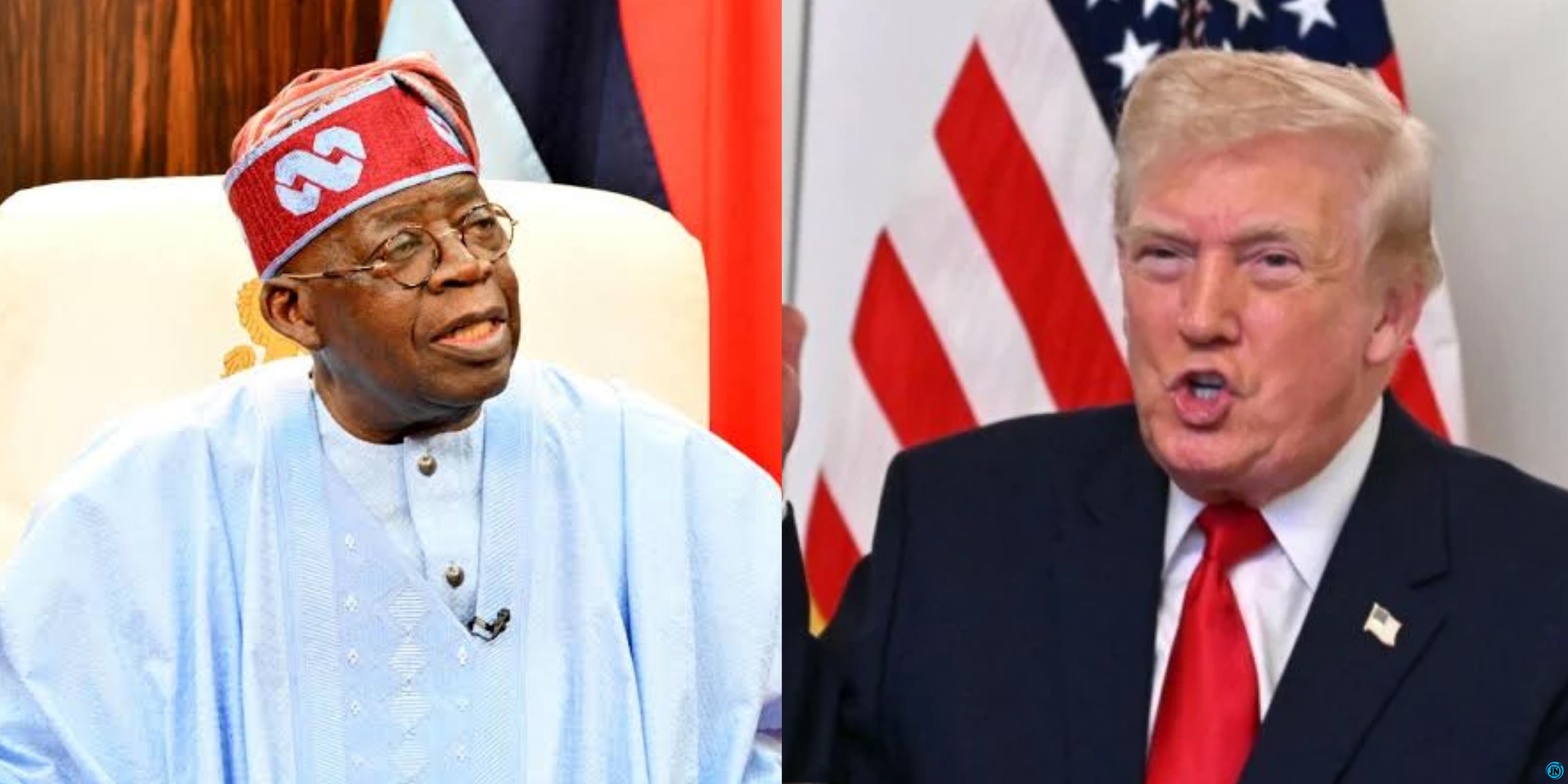
United States President Donald Trump has issued a stern warning that American military strikes in Nigeria may continue if killings linked to extremist groups persist, signaling a potential escalation of US involvement in the West African country’s ongoing security crisis. The comments have drawn attention from global media and analysts, as they highlight the United States’ willingness to take repeated action if violence against civilians, particularly Christians, continues unchecked.
The warning comes in the wake of a US airstrike conducted on December 25 against fighters affiliated with the Islamic State in northwest Nigeria. Washington stated that the operation was carried out at the request of the Nigerian government, as part of efforts to target extremist militants responsible for attacks in the region. The timing of the strike, occurring on Christmas Day, attracted global attention due to the religious sensitivities involved, particularly in areas that have suffered years of insurgency, banditry, and communal violence.
US President links future military action to ongoing violence
In a recent interview with The New York Times, Trump commented on the potential for further US military involvement, stating, “I’d love to make it a one-time strike… but if they continue to kill Christians, it will be a many-time strike.” His remarks suggest that the United States could carry out additional operations in Nigeria should attacks on civilians continue, reflecting a more interventionist approach than previous US administrations. Analysts note that Trump’s comments may have implications for US-Nigeria relations, regional stability, and broader counter-terrorism efforts in West Africa.
Trump’s framing of the issue emphasizes a religious dimension to the violence, implying that Christians are being disproportionately targeted by extremist groups. This perspective has stirred debate among international observers and policymakers, as it appears to contrast with existing intelligence assessments and local narratives about the nature of the conflict in northern and central Nigeria.
Nigeria rejects religious framing of security crisis
The Nigerian Federal Government has consistently rejected the notion that the ongoing violence constitutes a targeted genocide against Christians, asserting instead that armed groups attack both Christians and Muslims. Government officials emphasize that insurgents, bandits, and criminal gangs operate with complex and overlapping motives, including religious extremism, territorial control, and financial gain through ransom kidnappings, making the conflict multifaceted and not confined to a single religious narrative.
A spokesperson for Nigerian authorities noted, “I think that Muslims are being killed also in Nigeria. But it’s mostly Christians.” While acknowledging civilian casualties, the statement underscores the government’s position that the violence affects communities across religious lines, and that any US military involvement should be guided by careful intelligence and collaboration with Nigerian security forces. The comments also appear to contrast with Trump’s own senior Africa adviser, who has previously highlighted that extremist groups, including Boko Haram and the Islamic State West Africa Province (ISWAP), have killed more Muslims than Christians in certain attacks, suggesting a more nuanced understanding of the conflict.
Nigerian officials have repeatedly stressed that the country’s security challenges are highly complex, shaped by a combination of ideological, economic, and criminal factors rather than solely by religious affiliation. The government continues to prioritize a broad counter-terrorism strategy, which involves strengthening local security agencies, improving intelligence-sharing, and collaborating with international partners to ensure the protection of all communities, regardless of faith. Authorities emphasize that sustainable solutions require not only military responses but also efforts to address the socioeconomic conditions that fuel insurgency and banditry.
As discussions around US involvement in Nigeria continue, both domestic and international observers are closely monitoring developments, particularly in light of Trump’s remarks. The situation highlights the ongoing tension between military intervention, sovereignty, and the need for targeted strategies to combat extremist threats while protecting civilians and maintaining regional stability. The unfolding dialogue underscores the delicate balance that both the United States and Nigeria must navigate in addressing one of the country’s most pressing security challenges.