
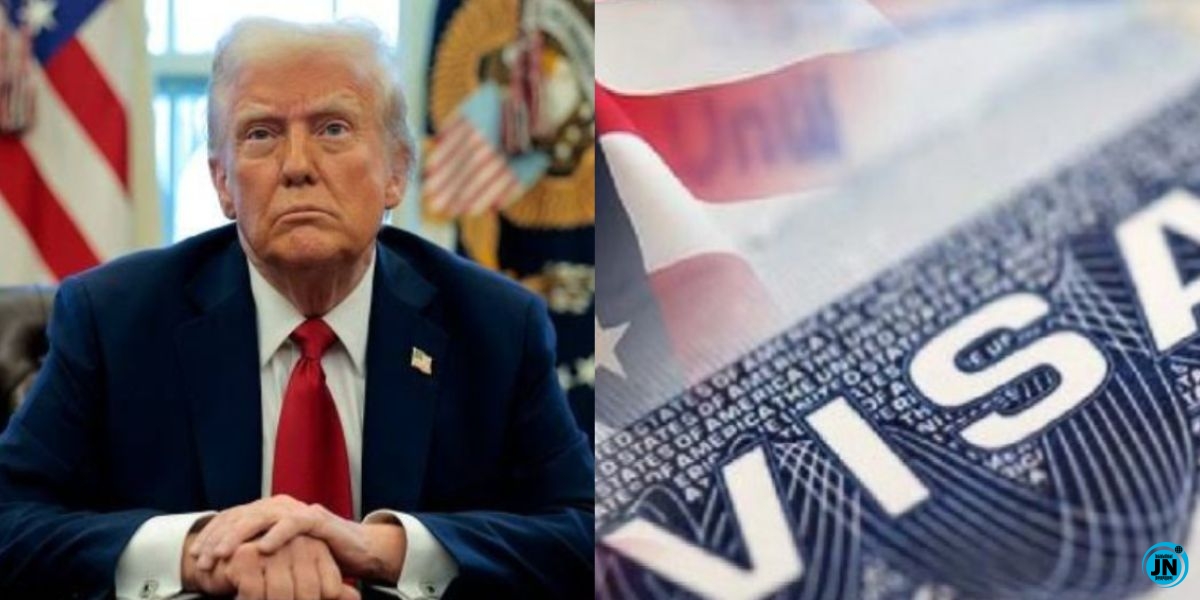
Nigerians applying for B1/B2 visas to the United States may soon be required to post visa bonds of up to $15,000, following a new set of travel and security measures introduced by the United States government. The updated visa regulations are aimed at certain foreign nationals from countries deemed high-risk, with the goal of reinforcing border security and ensuring compliance with US immigration policies.
The requirement for a visa bond is part of broader efforts by the US Department of State to manage and monitor visa applicants from nations classified under the high-risk category. According to information published on the official US Department of State website, Travel.State.Gov, applicants must understand that payment of a visa bond does not automatically guarantee visa issuance. The bond serves as a financial guarantee that the applicant will comply with the terms of their visa and return to their home country upon expiration of their authorized stay in the United States.
The department further cautioned that any bond paid outside of the instructions given by a consular officer will not be refunded, underscoring the importance of following proper visa application procedures. Applicants are advised to only make payments when explicitly directed during the consular interview process to avoid financial losses. The visa bond system is designed to function as a deterrent for potential overstays and ensure accountability among travelers from the affected countries.
An updated list released by the [b]US State Department shows that 38 countries are affected by the policy, with 24 African nations, including Nigeria, included on the list. The African countries impacted include Algeria, Angola, Benin, Côte d’Ivoire, Cabo Verde, Burundi, Djibouti, and others, all of which will be required to comply with the new visa bond regulations for B1/B2 visa applications. Nationals from these countries have been identified based on risk assessments, travel patterns, and historical compliance with US visa rules.
Visa bonds act as financial guarantees for foreign nationals applying for business or tourism visas (B1/B2). The implementation date for each country varies, with Nigeria’s date officially set for January 21, 2026. The Department of State emphasized that the dates for implementation differ by country to allow consular offices adequate time to manage and process applications under the new requirements. Other countries with upcoming implementation dates between January 1 and January 21, 2026, include Dominica, Cuba, Bangladesh, Bhutan, Botswana, Central African Republic, and Antigua and Barbuda, among several others. This staggered rollout allows the US consular offices to adjust workflows and ensure smooth processing of affected visa applications.
Applicants are encouraged to closely monitor official announcements from the US Department of State to ensure they are aware of the correct procedures for submitting visa bonds, as failure to comply with the rules could result in delays, denied applications, or non-refundable financial losses. The policy represents a significant change for nationals from the listed countries, particularly those from Nigeria, who have historically sought B1/B2 visas for business or tourism purposes. Travelers are advised to plan ahead and factor in the bond requirement when scheduling their visa interviews and international trips.
The Department of State reiterated that visa bonds are one of several measures being implemented to maintain integrity in the visa issuance process, particularly for applicants from high-risk regions. By requiring a financial guarantee, US authorities aim to mitigate risks associated with visa overstays, unlawful employment, or non-compliance with immigration regulations. This policy is expected to have widespread implications for prospective travelers, travel agencies, and businesses that rely on visa-dependent international operations.
Overall, the $15,000 visa bond requirement is part of the US government’s continued efforts to strengthen immigration enforcement, ensure compliance with visa conditions, and safeguard national security while maintaining transparency in the visa application process for high-risk countries, including Nigeria.