
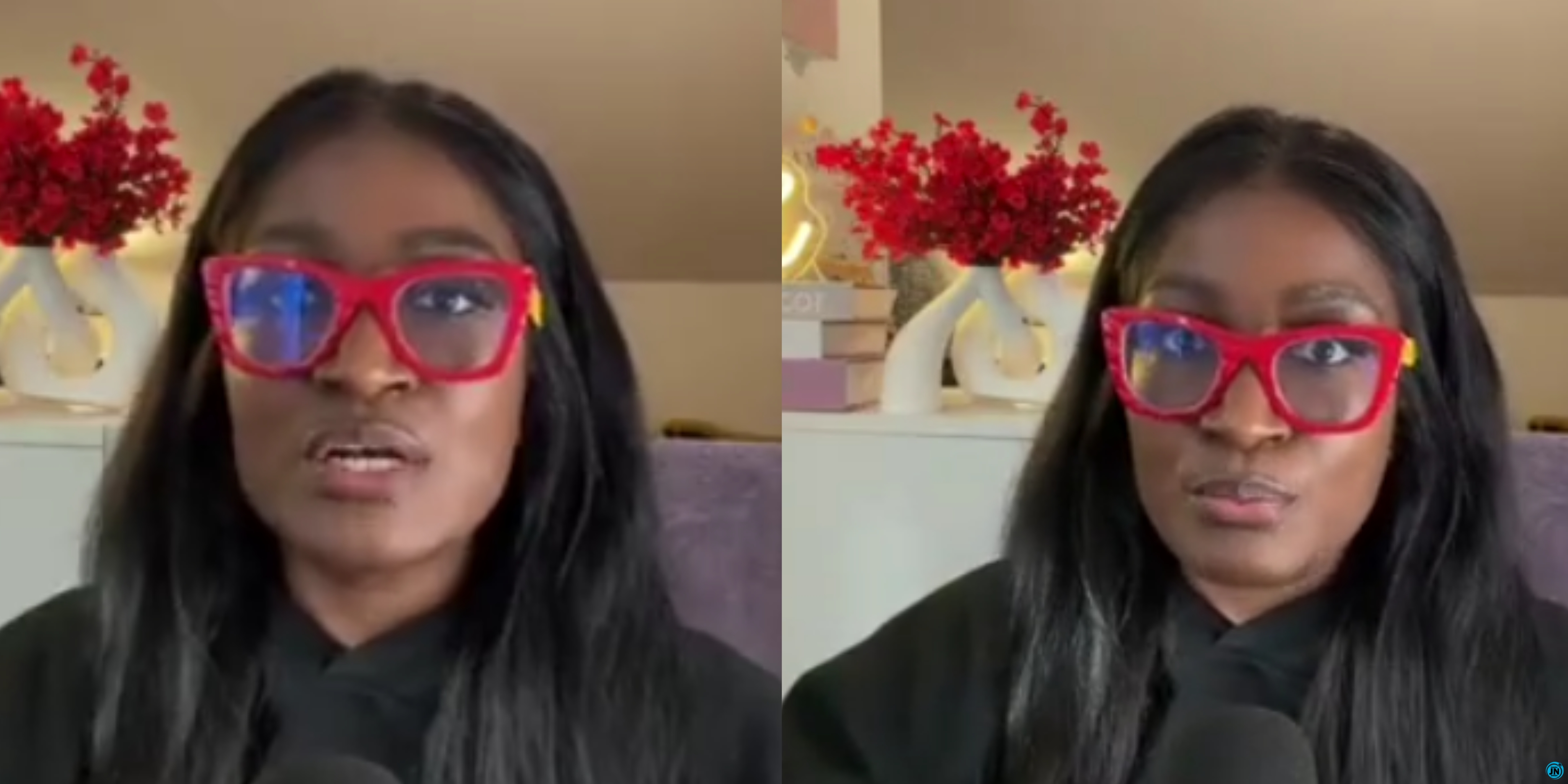
A TikTok creator has sparked widespread debate and intense reactions online after shedding light on why the Igbo tribe is often stereotyped as “betrayers” in relationships, tracing the controversial label back to Nigeria’s political history rather than personal or romantic conduct.
In a viral video making the rounds on social media, the content creator, identified as @truecrimewiththereni, argued that the stereotype has deep historical roots linked to the January 15, 1966 military coup, rather than any inherent relationship behaviour among Igbos.
According to her, many Nigerians unknowingly project historical mistrust into modern social and romantic interactions, allowing long-standing political narratives to shape present-day perceptions.
How the 1966 military coup shaped ethnic stereotypes
She explained that the coup, led by junior army officers including Major Chukwuma Kaduna Nzeogwu, resulted in the assassination of several key political figures from the Northern and Western regions of the country, while notable Eastern leaders were largely spared.
Among those killed were Prime Minister Abubakar Tafawa Balewa, Northern Premier Ahmadu Bello and his wife, Hafsatu, as well as Finance Minister Festus Okotie-Eboh, deaths that shocked the nation and altered Nigeria’s political trajectory.
The TikToker noted that the selective nature of the casualties created suspicion and resentment, especially as the coup appeared uneven in its execution across regions.
According to her, this imbalance gave rise to a lasting narrative of ethnic betrayal, which has since been unfairly generalized and passed down through generations.
“This was a planned and coordinated operation carried out while most Nigerians were asleep,” she said, adding that political instability in the Western Region contributed to the coup’s partial success, while resistance, hesitation, and lack of coordination in the East led to its failure there.
Why history still influences modern relationship narratives
She further stated that after the coup collapsed, Major General Johnson Aguiyi-Ironsi assumed power, arrested Nzeogwu instead of executing him, and suspended the constitution, decisions that intensified suspicion toward the Igbo ethnic group.
The coup was subsequently labeled by many as an “Igbo coup,” a description she argued was historically misleading but highly damaging, as it fueled ethnic resentment, reprisals, and deep-seated mistrust.
These tensions later culminated in the July 1966 counter-coup and widespread attacks on Igbo communities across parts of the country, events that further entrenched negative stereotypes.
She stressed that over time, these political and historical grievances were subtly transferred into social narratives, including how trust, loyalty, and betrayal are discussed in relationships involving Igbos.
The TikToker urged Nigerians to critically revisit history with nuance and empathy, warning that stereotypes born out of political crises continue to distort ethnic relations and unfairly influence modern-day interactions, including dating and marriage.
Her explanation has since generated mixed reactions online, with some applauding her for providing historical context, while others debated the relevance of past events to contemporary relationship issues.