
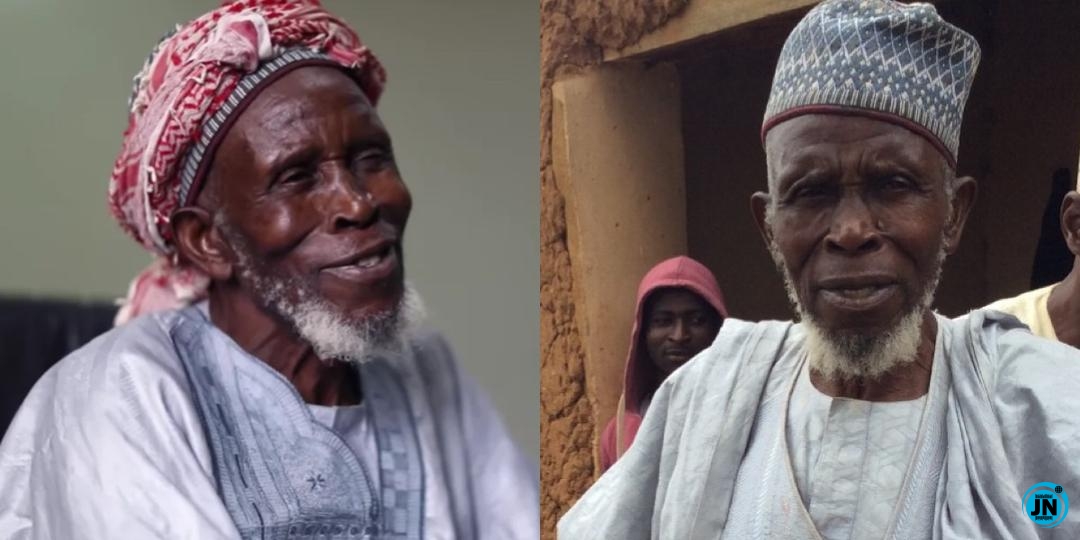
Abdullahi Abubakar, the revered Muslim cleric widely recognized for his extraordinary courage in protecting hundreds of Christians during the 2018 sectarian violence in Plateau State, has passed away at the age of 92 following a brief illness.
Abubakar, who served as the Chief Imam of Nghar village in Barkin Ladi Local Government Area, was renowned for his unwavering commitment to peace, interfaith solidarity, and the protection of human life, regardless of religious affiliation.
A Beacon of Interfaith Courage
Abubakar’s heroism came to global attention on June 23, 2018, when armed assailants attacked several communities in Barkin Ladi, resulting in the loss of dozens of lives and widespread fear among residents.
In the midst of the violence, Abubakar courageously opened his mosque and home to shelter over 300 Christians, defying threats to his own safety and standing firm against the attackers. His actions provided a safe haven for vulnerable members of the community and exemplified the highest principles of human decency and religious tolerance.
In interviews following the incident, Abubakar reflected on his motivations, saying: “I did it because we are all human beings. My religion teaches me to protect lives, regardless of faith.” His statement highlighted the cleric’s steadfast dedication to humanity and his interpretation of Islamic teachings as a call to protect and value human life above all else.
Recognition at Home and Abroad
Abubakar’s selfless acts did not go unnoticed. In recognition of his bravery and commitment to peace, the Nigerian government honored him with the national award of Member of the Order of the Niger. Former President Muhammadu Buhari personally commended him for his courage and for exemplifying the spirit of unity and moral leadership during one of Plateau State’s most challenging periods.
In addition, Abubakar was named joint recipient of the LEADERSHIP Media Group’s Person of the Year Award alongside prominent businessman Aliko Dangote, a recognition of his national significance and the profound impact of his actions on Nigerian society.
Internationally, the United States government awarded Abubakar the International Religious Freedom Award in 2019, acknowledging him as a champion of interfaith harmony, peace, and the protection of human rights. The award celebrated his role in fostering tolerance and bridging divides between religious communities, highlighting his story as an example for the world to emulate.
Tributes from Plateau State
Following news of his passing, Governor Caleb Mutfwang of Plateau State described Abubakar’s death as a “major loss” not only to his immediate family but also to the broader community and the state as a whole.
Governor Mutfwang lauded Abubakar as a symbol of peace, selflessness, and visionary leadership, noting that his actions had played a crucial role in building bridges of forgiveness and promoting peaceful coexistence across the region. “His leadership helped build bridges of forgiveness and peaceful coexistence across Plateau,” the governor said in an official statement, emphasizing the importance of continuing the late Imam’s work in nurturing unity and compassion among residents.
Condolences and Enduring Legacy
The governor extended heartfelt condolences to the family and community, praying for comfort and strength during this period of mourning. He called on Plateau residents to honor Abubakar’s memory by upholding the values of tolerance, empathy, and interfaith cooperation that he exemplified throughout his life.
Abubakar leaves behind a lasting legacy as a courageous protector of lives, a unifying figure across religious divides, and an advocate for peace. His story continues to inspire communities in Nigeria and around the world, reinforcing the idea that moral courage and compassion can triumph even in the face of grave danger.
His life and deeds serve as a reminder that true leadership extends beyond titles and positions, encompassing the protection of the vulnerable, the promotion of justice, and the fostering of harmony among diverse communities.