
Donald Trump’s administration has rolled out new travel restrictions that could prevent supporters from Senegal and Ivory Coast from attending the 2026 FIFA World Cup in the United States, raising concerns among fans and football stakeholders alike. The announcement comes as part of a broader set of measures aimed at regulating short-term visits to the US, which now specifically includes nationals from these two African nations.
Two more World Cup nations affected
According to the new proclamation signed on Tuesday, entry into the United States will be suspended for nationals of Senegal and Ivory Coast for short-term visits, including tourism, business trips, and other non-immigrant purposes. This effectively prevents ordinary fans from both countries from traveling to the US to attend matches during the 2026 FIFA World Cup, despite both teams having qualified for the tournament.
This development increases the number of World Cup nations affected by US travel restrictions to four, adding to concerns that international supporters will be shut out from matches hosted in the United States. While players and officials are exempt under existing executive orders, ordinary supporters face significant barriers, leaving many disappointed.
Match locations offer limited relief
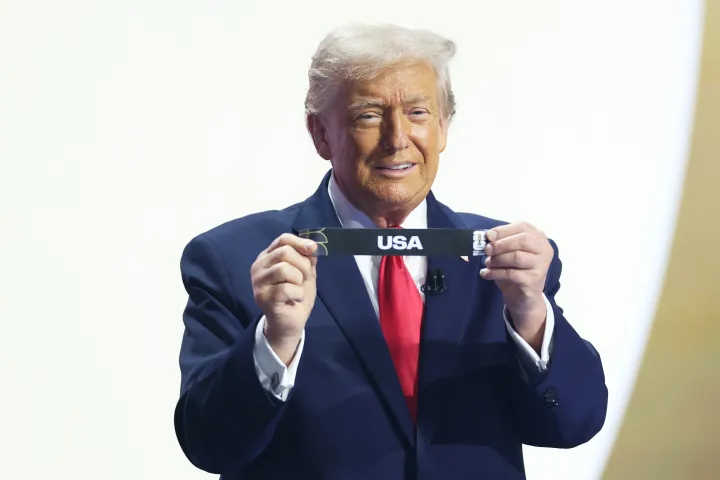
Senegal have been drawn in Group I alongside France, Norway, and the winner of a playoff involving Bolivia, Iraq, or Suriname. While their fixtures against France and Norway are scheduled for MetLife Stadium in New Jersey, the playoff match is set to take place in Toronto, Canada, where the US travel restrictions do not apply. This provides only partial relief for supporters hoping to attend at least one of Senegal’s matches in person.
Similarly, Ivory Coast finds itself in Group E alongside Germany, Ecuador, and Curacao. Their matches against Ecuador and Curacao are slated for venues in the United States, meaning fans from Ivory Coast will be unable to attend, while the group-stage clash against Germany will take place in Canada, outside the reach of the restrictions. The split venues create a complex situation for supporters trying to plan attendance for multiple games.
Players exempt, fans shut out
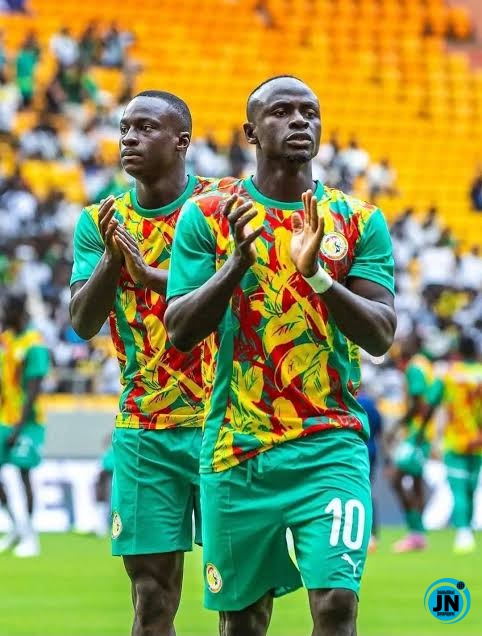
Existing executive orders allow exemptions for players, coaching staff, and immediate family members, ensuring that teams can still enter the United States and compete. High-profile players such as Senegal’s Iliman Ndiaye and Nicolas Jackson, as well as Ivory Coast stars Amad Diallo and Evann Guessand, are not affected by the ban, ensuring that the tournament proceeds smoothly on the field.
However, the same exemptions do not apply to ordinary supporters, leaving tens of thousands of fans unable to witness their teams compete in US-hosted matches. This has sparked frustration among international football enthusiasts who argue that the restrictions undermine the global spirit of the tournament.
Growing list of restricted nations
Senegal and Ivory Coast are among 15 countries added to the latest proclamation, which expands upon an earlier list of 12 nations announced in June. The initial list included World Cup qualifiers Iran and Haiti, whose supporters are also unable to attend the tournament in the US without navigating complex exemptions or alternative arrangements.
The White House has clarified that exemptions remain in place for lawful permanent residents, existing visa holders, specific visa categories such as athletes, diplomats, and individuals whose entry is deemed to serve US national interests. Nonetheless, ordinary football fans from affected countries remain unable to secure visas for short-term travel, effectively barring them from US-hosted matches.
Fan concerns continue to mount
The travel bans add to growing concerns surrounding the US-hosted portion of the 2026 FIFA World Cup, which has already faced criticism over high ticket prices and logistical challenges. FIFA introduced a limited £45 “supporter entry tier” ticket, distributed through national associations, in an attempt to make the tournament more accessible. However, reports indicate that less than two per cent of seating allocations are available at this reduced price, doing little to ease frustrations among supporters from affected nations.
With just months remaining before the tournament kicks off on June 11, 2026, uncertainty continues to cloud the experience for many international fans hoping to attend matches in the United States. Observers note that such restrictions could impact overall attendance, the fan atmosphere, and the inclusive spirit typically associated with global sporting events like the FIFA World Cup.