
The Africa Cup of Nations (AFCON) is set to undergo a historic transformation as it moves from its traditional two-year cycle to a four-year format, starting in 2028, Confederation of African Football (CAF) president Patrice Motsepe has confirmed. This landmark decision marks a significant shift in the structure of African football, aligning the continent’s premier tournament with the global football calendar and reducing the strain on clubs and national teams alike.
Under the new plan, AFCON 2027, scheduled to be hosted across East Africa, will be the last edition staged on a biennial basis. It will then be quickly followed by the 2028 edition, after which the tournament will permanently adopt a quadrennial cycle. The adjustment is intended to modernise African football, provide more preparation time for participating nations, and increase the overall competitiveness of the tournament.
African Nations League introduced
To compensate for the reduced frequency of AFCON, CAF will introduce a new competition, the African Nations League, starting from 2029. The league will be held annually, providing consistent continental football action and offering fans regular exposure to top African talent, particularly those based in Europe and other leagues abroad.
Motsepe described the launch of the African Nations League as a strategic structural reset designed to modernise African football and ensure better alignment with the international football calendar. “We have the most exciting new structure for African football,” Motsepe said. “The global calendar has to be significantly more synchronised and harmonised to allow players, clubs, and national teams to operate efficiently.”
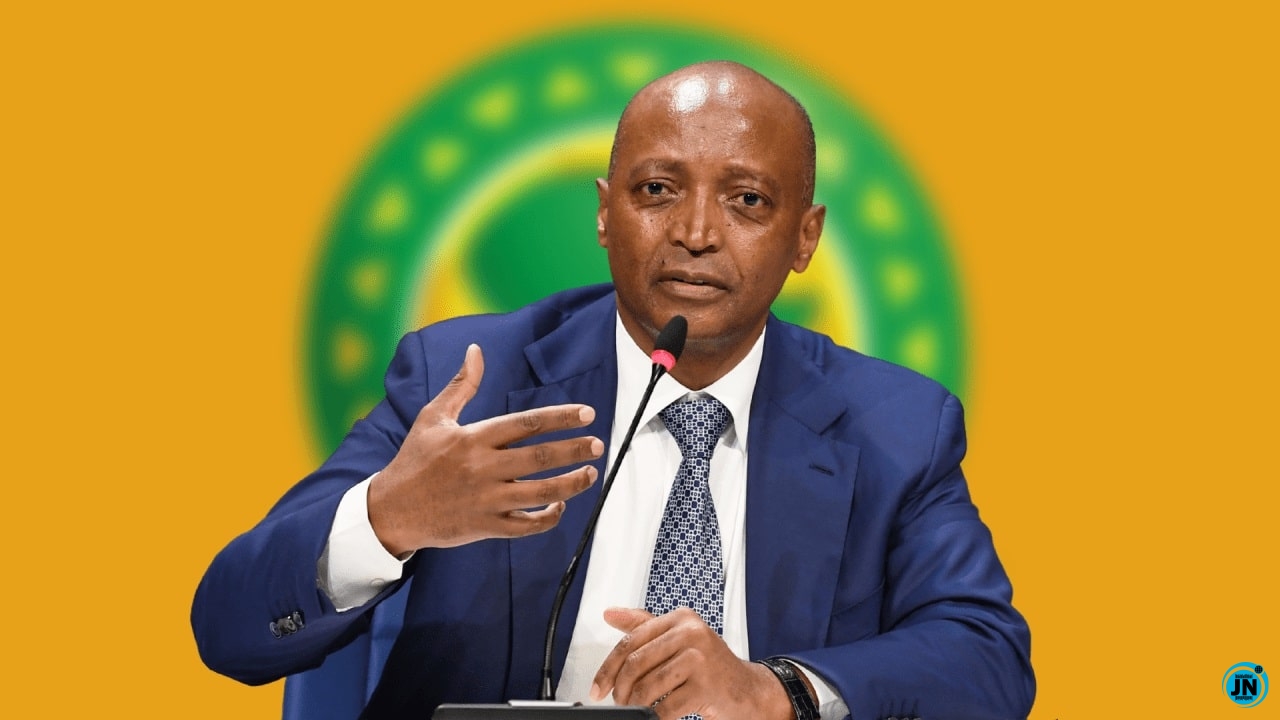
Prize money increased
In addition to the structural reforms, CAF also announced a notable increase in prize money for AFCON winners. The champions of the tournament will now receive $10 million, up from the previous $7 million, a move aimed at boosting competitiveness, enhancing the tournament’s prestige, and attracting greater commercial investment from sponsors across the continent and globally.
Calendar conflicts drive reform
AFCON has historically been held every two years since 1968, with only a one-year gap between the 2012 and 2013 editions. However, the biennial schedule has frequently conflicted with the European club season, creating friction between clubs and national teams regarding the release of African players.
Although CAF shifted AFCON to June and July from 2019 to reduce clashes, multiple factors—including the Covid-19 pandemic, adverse climatic conditions in host nations, and the expansion of FIFA’s Club World Cup—have forced repeated returns to the January-February window. Consequently, AFCON 2025 in Morocco will run over the Christmas and New Year period, concluding on 18 January.
Transition period confirmed
The 2027 finals, set to be hosted jointly by Kenya, Tanzania, and Uganda, have yet to have official dates announced. Following this edition, AFCON 2028 will be staged, with host nations to be determined. From that point onward, the tournament will settle into a four-year cycle, strategically coinciding with the same calendar year as the UEFA European Championship to streamline global football scheduling and increase the event’s visibility.
Motsepe emphasized that the decision was taken in close consultation with FIFA president Gianni Infantino and FIFA secretary general Mattias Grafström, ensuring full alignment with international football governance standards and the interests of all stakeholders involved.
How the African Nations League will work
The newly introduced African Nations League will include all 54 CAF member associations, organized into four geographic zones: North Africa, with six teams, and East, West, and Central & Southern Africa, each comprising 16 teams. This structure is designed to promote regional rivalries while providing opportunities for all nations to participate in competitive football annually.
Matches in the African Nations League will be played during September and October, with regional champions advancing to a playoff in November to determine the overall continental winner. The league format is intended to guarantee the regular participation of Europe-based African stars, allowing fans to witness the best African talent on the continent every year.
Motsepe highlighted the potential impact of the league on African football, stating: “Every year, the best African players will be with us on the continent. We are going to have a world-class competition every year that not only entertains fans but also drives commercial opportunities and strengthens the profile of African football globally.”
CAF expects that the African Nations League will become a premier continental competition that complements AFCON, creates consistent football engagement, and provides an annual showcase for African talent while attracting major sponsors and media coverage worldwide.