
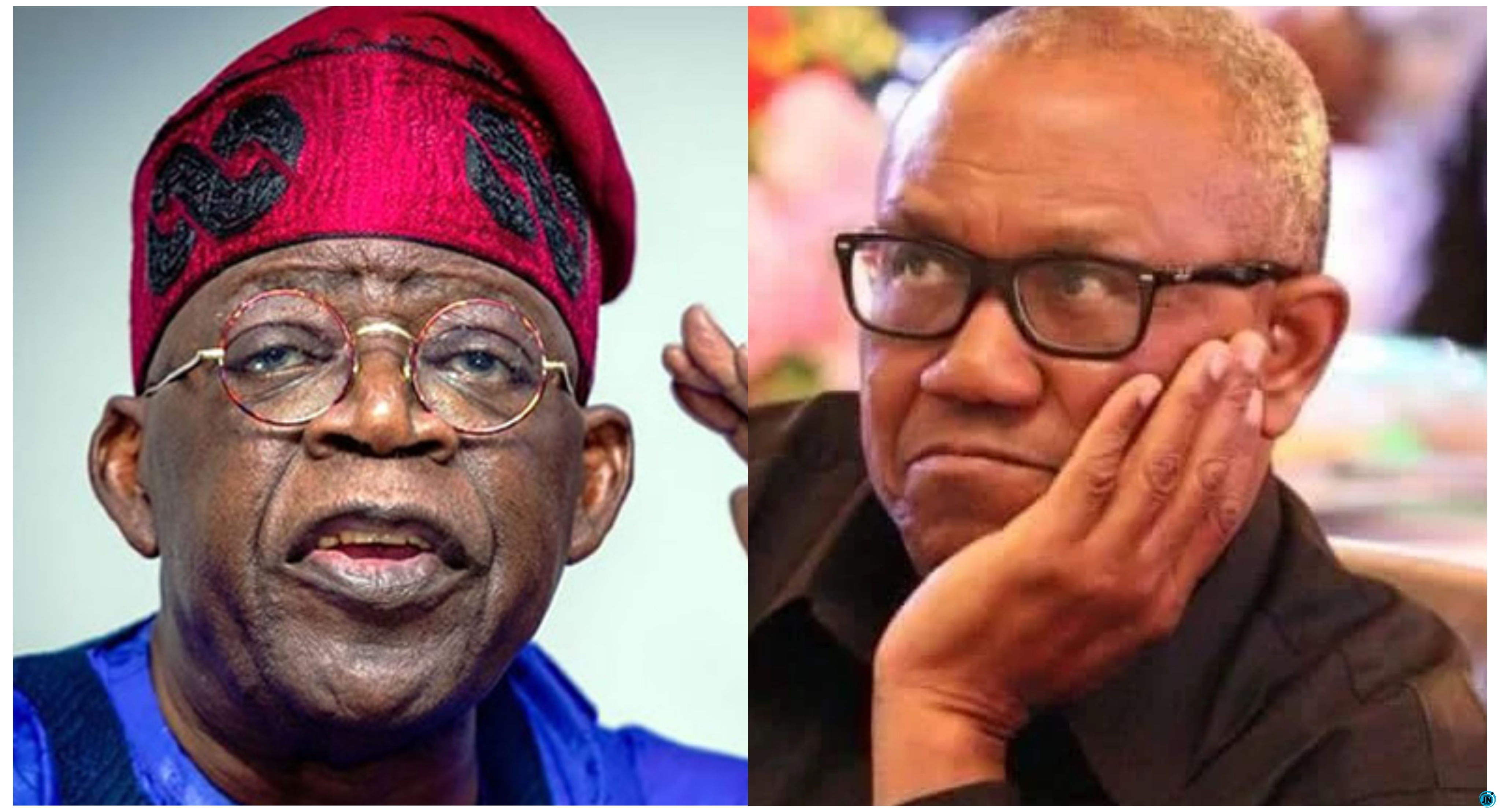
The Presidency has issued a detailed response to the recent political defection of former Labour Party (LP) presidential candidate, Peter Obi, who officially joined the African Democratic Congress (ADC) ahead of the 2027 general elections. The response was contained in a statement released by Bayo Onanuga, Senior Special Adviser on Media and Publicity to President Bola Tinubu, reflecting the administration’s critical assessment of Obi’s political trajectory and leadership record.
Obi’s Political Moves Under Scrutiny
In the statement, the Presidency highlighted Obi’s history of frequent party switches, noting that he has moved across several political platforms including the All Progressives Grand Alliance (APGA), the People’s Democratic Party (PDP), Labour Party, and now ADC. This pattern, the statement argued, portrays Obi as a “wandering politician” whose decisions are driven more by personal ambition than consistent ideology or loyalty to party principles.
Bayo Onanuga further contended that Obi’s claims of being denied victory in the 2023 presidential election are baseless, pointing out that election analyses indicated he was unlikely to have won the presidency. The statement also suggested that Obi’s third-place finish in the South East was inflated by anomalous polling figures and does not substantiate his assertions of being unfairly treated during the electoral process.
Criticism of Obi’s Governance and Leadership Claims
The Presidency also critiqued Obi’s tenure as Governor of Anambra State, describing his eight-year administration as largely unsuccessful in addressing key developmental challenges. According to the statement, Obi’s frequent references to foreign governance models and academic frameworks as justification for national leadership should be viewed cautiously. The administration stressed that Nigeria requires original and practical solutions tailored to its unique socio-economic context rather than leaders who replicate foreign systems without adaptation.
“No leader can move a country forward by simply copying and pasting models from elsewhere. Nations require original thinkers, not copycats,” the statement noted, emphasising the importance of homegrown strategies and pragmatic approaches to governance in Nigeria.
Highlighting Tinubu’s Achievements
The statement contrasted Obi’s record with the accomplishments of President Bola Tinubu’s administration since assuming office on May 29, 2023. Key achievements highlighted include:
• Restructuring of the Nigerian economy and elimination of inefficient petrol subsidies that previously burdened the budget.
• Reduced dependence on oil revenue through development of the gas sector and successful attraction of local and foreign investments.
• Stabilisation of foreign reserves and the exchange rate, alongside measures that have helped decelerate inflation and improve macroeconomic stability.
• Implementation of major infrastructure projects, including the Lagos-Calabar and Sokoto-Badagry superhighways, described as previously considered impossible by Obi and his allies, demonstrating tangible progress under Tinubu’s leadership.
• Planned tax reforms starting January 2026, aimed at harmonising Nigeria’s tax system, increasing the tax-to-GDP ratio, and boosting government revenue to fund social and developmental programs.
The Presidency framed these initiatives as proof of “effective leadership anchored in strategic policies and reforms,” highlighting a contrast with Obi’s limited executive experience and his reliance on theoretical frameworks rather than on-the-ground governance practice.
Speculations on Obi’s Future Political Role
The statement also speculated on Peter Obi’s potential role within the ADC following his defection, suggesting that he may occupy a secondary position within the party. It drew parallels with the 2019 political scenario where Obi could potentially serve as a running mate to a major candidate, rather than leading a significant campaign himself. The Presidency emphasised that Obi’s defection appears politically opportunistic and opportunely timed ahead of the 2027 elections, rather than reflecting consistent political vision or national leadership readiness.
In conclusion, the Presidency described Peter Obi’s move to ADC as a demonstration of political expediency, underscoring that Nigeria needs experienced and tested leadership capable of implementing homegrown solutions to national challenges. The statement reinforced confidence in the Tinubu administration’s ongoing reforms, portraying them as evidence of steady, effective governance designed to improve economic stability, infrastructure development, and national growth across all sectors.