
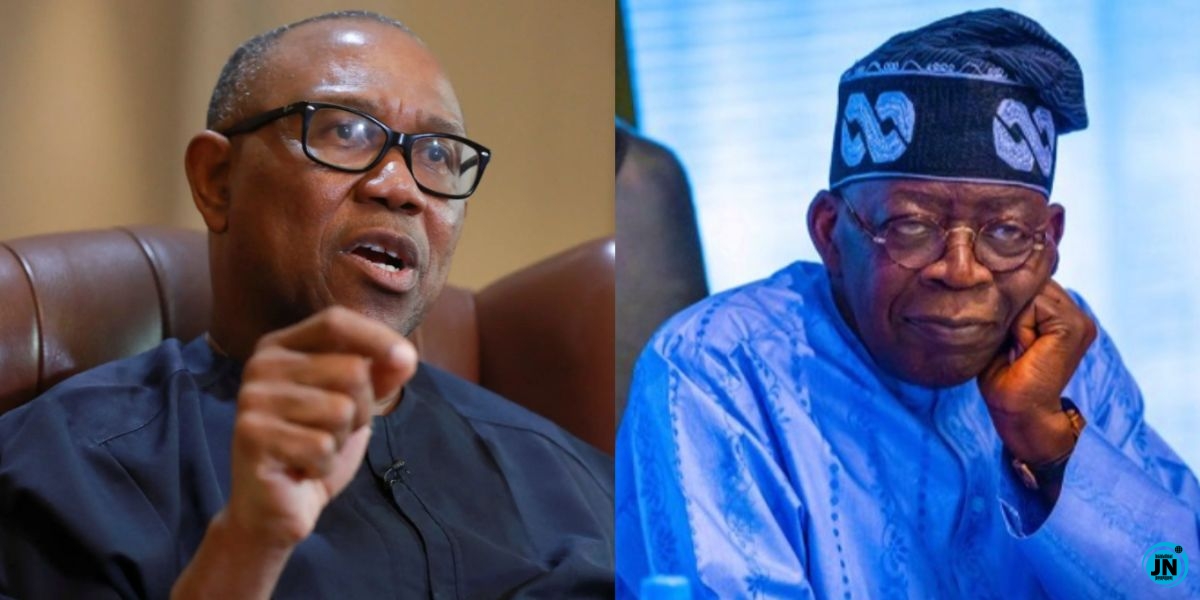
The Labour Party presidential candidate in 2023, Peter Obi, has publicly called on the Federal Government to immediately suspend the implementation of Nigeria’s newly gazetted tax laws, citing major errors, inconsistencies, and policy gaps that could have serious negative impacts on both businesses and individual taxpayers across the country.
Obi shared his concerns on X (formerly Twitter) on Tuesday, drawing attention to a detailed report by KPMG Nigeria that identified numerous critical deficiencies in the new tax regulations. The report, according to Obi, highlighted serious structural and procedural issues that make the laws difficult to interpret, implement, and comply with, even for professionals in the tax and business sectors.
Among the issues flagged by KPMG are complex and potentially problematic provisions related to the taxation of shares, treatment of dividends, obligations imposed on non-resident entities, and foreign exchange deductions. These provisions, Obi noted, contain ambiguities and contradictions that could inadvertently lead to double taxation, compliance errors, and legal disputes, creating unnecessary burdens for businesses and investors operating in Nigeria.
According to Obi, the KPMG report identified a total of 31 critical problem areas within the tax laws, ranging from drafting mistakes and policy contradictions to gaps in administration and enforcement. He emphasized that the issues were so intricate that the tax experts themselves required private, closed-door meetings with the National Revenue Service just to attempt to navigate and clarify the regulations. “If experts require closed-door discussions to navigate the complexities of our tax laws, what hope does the average Nigerian have of comprehending the obligations being imposed on them?” Obi questioned, underscoring the potential for widespread confusion and inadvertent non-compliance among citizens and businesses.
Obi further highlighted that taxation is a social contract between the government and its citizens, stressing that the recent process through which the new tax laws were gazetted lacked the necessary transparency and public participation that typically accompany major fiscal policy changes. He pointed out that in most jurisdictions, months or even years are dedicated to consulting with businesses, workers, civil society groups, and other stakeholders before finalizing tax legislation, ensuring that the implications and benefits of the taxes are clearly understood by all affected parties.
“Yet, in Nigeria, we have seen no such public consultations or discussions regarding the final tax laws, leaving ordinary citizens completely in the dark about both the regulations and the benefits of the taxes they’re expected to pay,” Obi remarked. He argued that this lack of consultation undermines the principles of good governance and the social contract inherent in taxation, creating an environment where citizens may unknowingly violate the law or bear unintended financial burdens.
Obi’s intervention adds renewed pressure on the Federal Government to review and reconsider the newly gazetted tax laws before their implementation. By bringing attention to the 31 critical flaws highlighted in the KPMG report, Obi is calling for immediate corrective action, proper stakeholder engagement, and transparency to ensure that the laws are fair, comprehensible, and do not impose undue burdens on taxpayers or stifle economic activity.
With these glaring deficiencies exposed, the spotlight is now firmly on the FG to address the identified gaps, revise the regulations where necessary, and ensure that the new tax laws are implemented in a manner that protects citizens, supports businesses, and strengthens trust in Nigeria’s fiscal system.