
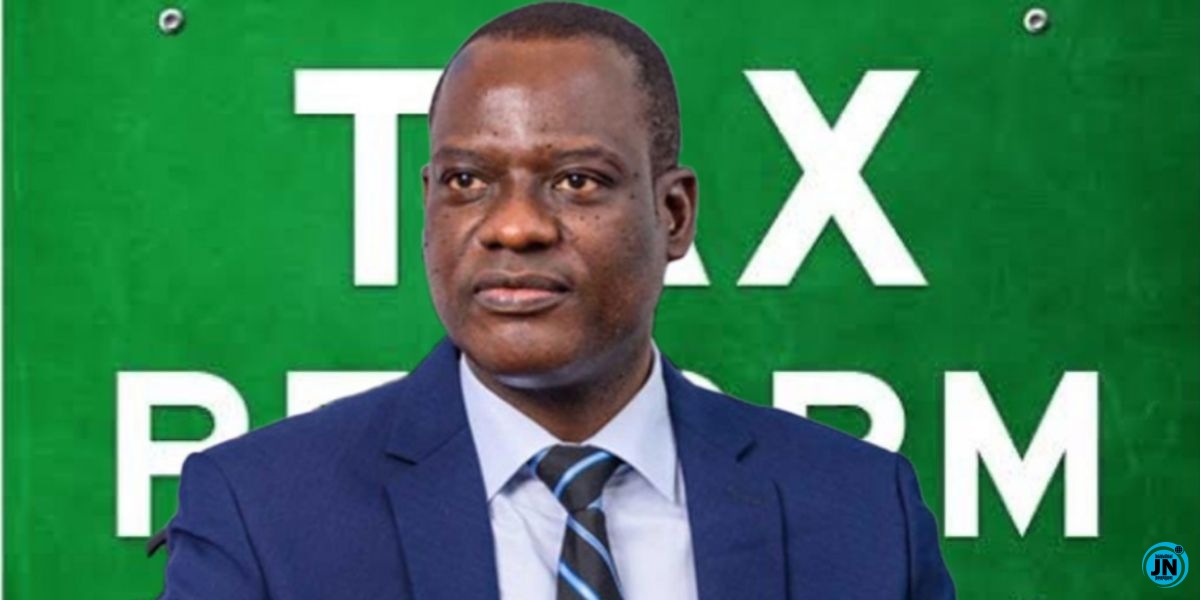
The Chairman of the Presidential Committee on Fiscal Policy and Tax Reforms, Taiwo Oyedele, has publicly disclosed that he has faced threats to his personal safety as a result of his efforts to overhaul and improve Nigeria’s tax system. Oyedele revealed this during a public address on Tuesday at a colloquium organised to celebrate the 50th birthday of the Special Adviser to the President on Policy and Coordination, Hajiya Hadiza Bala-Usman. The revelation has drawn attention to the significant challenges faced by policymakers attempting to implement reforms in a country where vested interests and systemic inefficiencies often resist change.
According to Oyedele, undertaking reforms that directly confront entrenched interests in Nigeria is not for the faint-hearted. He emphasized the courage required to challenge the status quo, particularly in the realm of fiscal policy, where existing structures benefit certain groups at the expense of broader national development. “Reforms are hard, and tax reforms are even harder. You need courage. I receive threats simply for trying to fix a broken system,” Oyedele stated, highlighting the personal risks involved in attempting to create meaningful change.
Oyedele further explained that Nigeria faces several long-standing structural and cultural challenges that continue to slow the pace of meaningful tax reform. Among these challenges, he identified deep public mistrust of government institutions, a weak tax compliance culture, and widespread misunderstanding of the concept of fiscal exchange — the idea that taxes paid should correspond to the quality and availability of public services. These systemic issues, he noted, make reform a complex and delicate undertaking.
The tax expert also pointed out that Nigeria’s tax revenue is still far below that of comparable countries, underscoring the urgency of implementing comprehensive reforms. According to him, without substantial changes to the tax system, the country will continue to face shortfalls in revenue collection, which in turn limits the government’s capacity to provide essential public services, invest in infrastructure, and stimulate economic growth. He stressed that failure to act decisively could have long-term economic consequences, including sustained underfunding of critical sectors and continued reliance on non-tax revenue sources.
Oyedele’s message to policymakers and the public was clear: while fixing Nigeria’s tax system may involve personal and professional risk, the cost of inaction is far greater. Comprehensive tax reform is essential to ensuring a more equitable, efficient, and sustainable system that can support Nigeria’s economic ambitions and provide the government with the resources necessary to meet the needs of its citizens.
He concluded by urging stakeholders, including government agencies, taxpayers, and civil society groups, to understand the importance of reform and to support measures that enhance compliance, transparency, and public understanding. For Oyedele, the challenge is not only technical but also political and cultural — navigating these complexities is crucial to building a tax system that truly serves the country and its people.